

Sheet Talk Articles

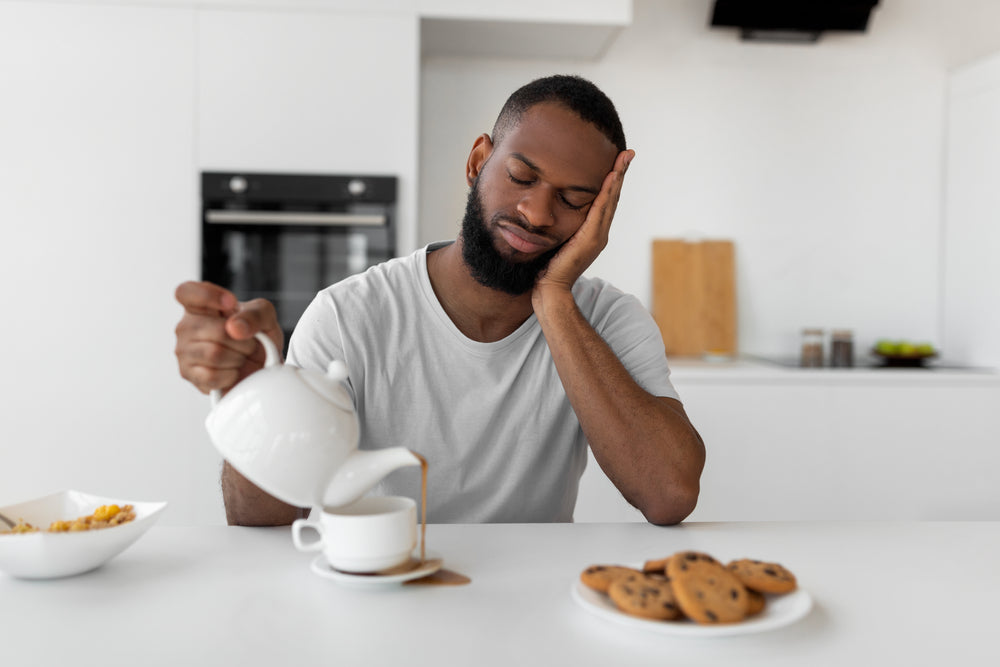
how to overcome sleep deprivation

How To Recover From Chronic Sleep Deprivation
An occasional night of poor sleep is normal and easy to recover from. But if you are not sleeping well night after night, that turns into chronic sleep deprivation and it’s a lot harder to overcome it.If it’s been weeks or months since you got 7-9 hours of high quality sleep, here’s a guide on how to recover.

Read moreabout How To Recover From Chronic Sleep Deprivation

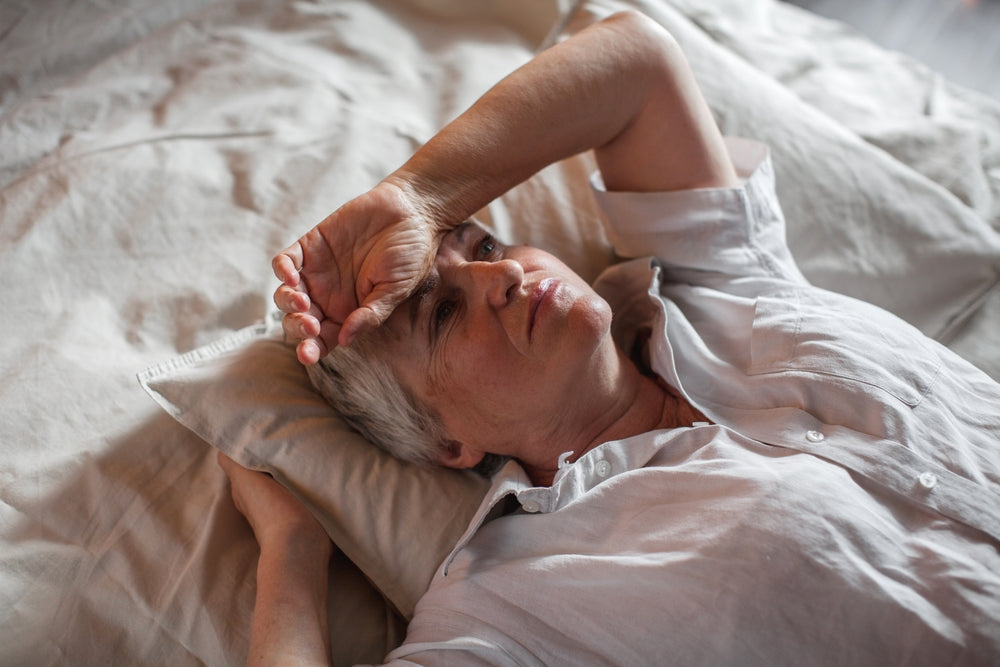
how sleep changes with age

5 Ways Your Sleep Changes As You Get Older
Older adults need just as much sleep as before (7-9 hours). But it gets harder to sleep as we grow older. We explain different sleep changes that occur with age and how to improve sleep quality as you age.

Read moreabout 5 Ways Your Sleep Changes As You Get Older

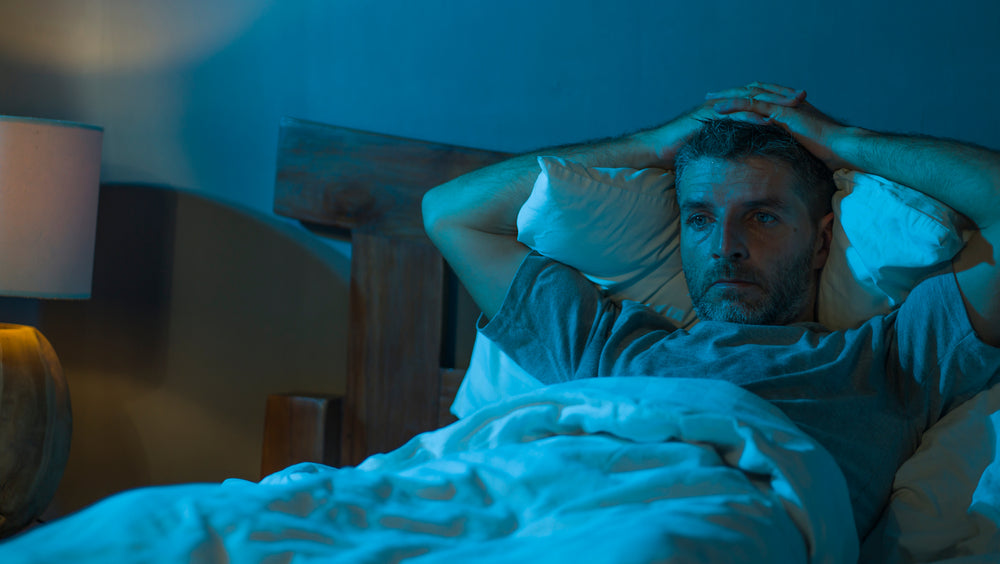
link between lack of sleep and heart health

Can Lack of Sleep Really Cause Heart Disease? Sleep and Cardiovascular Health
Can getting fewer than 7-9 hours of sleep each night put you at risk of heart disease and other cardiovascular problems? Based on the research we have so far, it’s a strong yes. Here's why and how.

Read moreabout Can Lack of Sleep Really Cause Heart Disease? Sleep and Cardiovascular Health

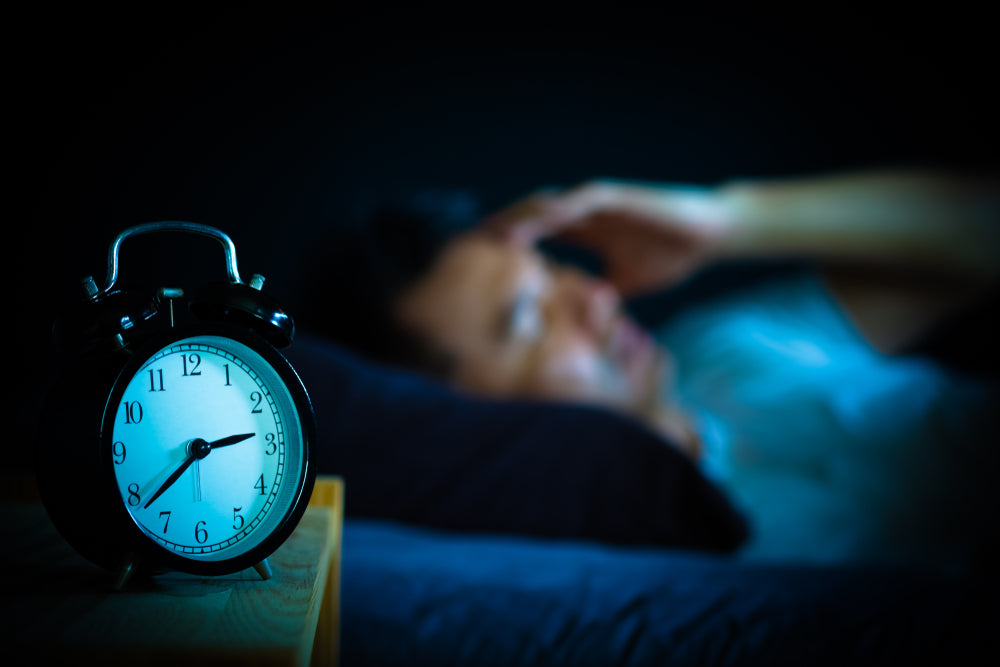
surprising causes of insomnia

5 Surprising Things That Can Cause Insomnia

Insomnia has so many possible causes that it can be hard to pin down exactly what’s keeping you up late at night. Common culprits include anxiety, drinking caffeine late in the day and a poor sleeping environment. There are also other causes that are somewhat surprising.

Read moreabout 5 Surprising Things That Can Cause Insomnia

dangers of sleeping less than 6 hours

Is 6 Hours of Sleep Enough? No, and It's More Dangerous Than You Think

Falling short of your ideal sleep time by 2 hours may not seem like a big deal, but research shows that sleeping for 6 hours or less each night can be detrimental to your health. Most people need 7-9 hours of sleep.

Read moreabout Is 6 Hours of Sleep Enough? No, and It's More Dangerous Than You Think

mold on a mattress

How to Recognize and Remove Mold From Your Mattress

Mold growing on your mattress can cause allergy symptoms like sneezing, itchy eyes, stuffy nose, coughing and other health problems. If you suspect you have mold on your mattress, it’s important that you deal with it immediately since mold spreads quickly. Here's a guide on how to spot and remove mold on your mattress.

Read moreabout How to Recognize and Remove Mold From Your Mattress

how long do bed sheets last?

This is How Often You Should Replace Your Bed Sheets (Plus Tips to Make Them Last Longer)

Don't be one of those people who wait until their bed sheets are literally falling apart before you get new ones. Old and worn out bed sheets can be unhygienic, uncomfortable and bad for your sleep. Here's how often to replace different types of bed sheets plus tips on how to make them last longer.

Read moreabout This is How Often You Should Replace Your Bed Sheets (Plus Tips to Make Them Last Longer)

pros and cons of sleeping with your dog

5 Reasons Why You Probably Shouldn't Let Your Dog Sleep On Your Bed

Sharing your bed with your dog can be great for everyone. It also comes with several downsides. Here are five potential problems of letting your dog sleep on your bed.

Read moreabout 5 Reasons Why You Probably Shouldn't Let Your Dog Sleep On Your Bed

how to get rid of dust mites from your bed

How to Get Rid of Dust Mites From Your Bed

Dust mites are one of the biggest sources of allergens in the bed. Your warm and cozy bed provides them with everything they need to survive: a toasty environment, high humidity and an endless supply of dead skin cells (their main chow). Here's how to get rid of dust mites from your bed.

Read moreabout How to Get Rid of Dust Mites From Your Bed